A.D.A.M · Mairearad Green and Mike Vass · 2024
Everybody Wants to Be Like Mary
Nine Gaelic song melodies, set for pipes and rebuilt with electronics. Each title is the first three letters of its song. A.D.A.M stands for “a day a month”.
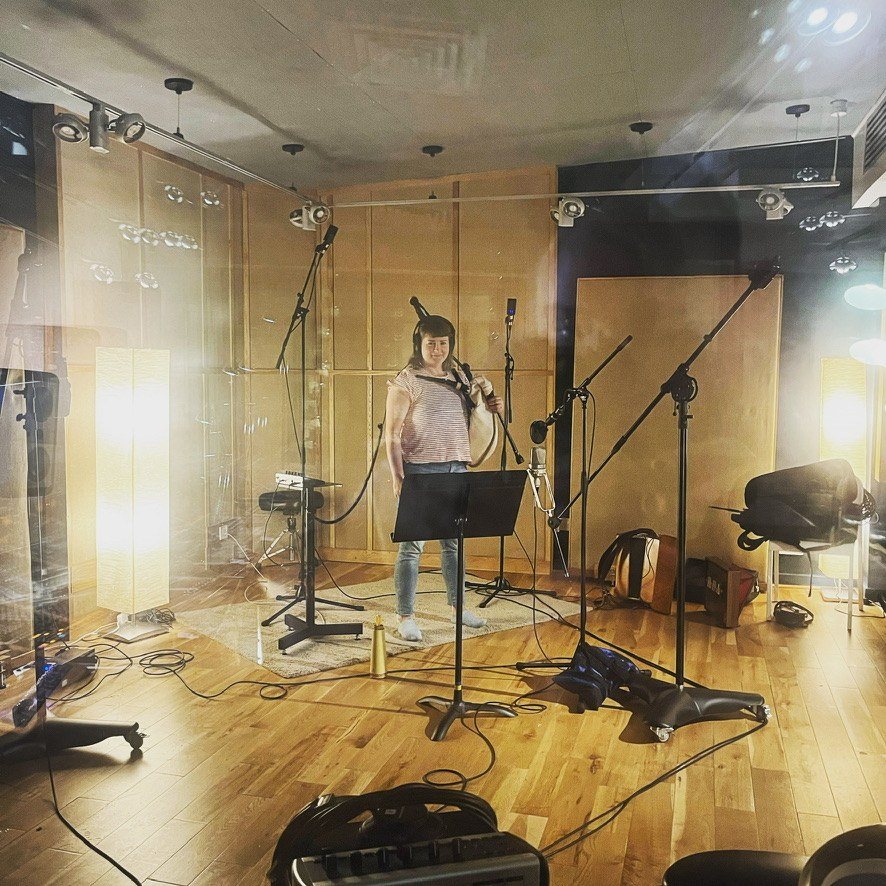
Recorded Ullapool, Studio 1 Gloworm, West Regent Street · Where MAR and ’S_ were sung Barra · Where AN_ comes from Ness
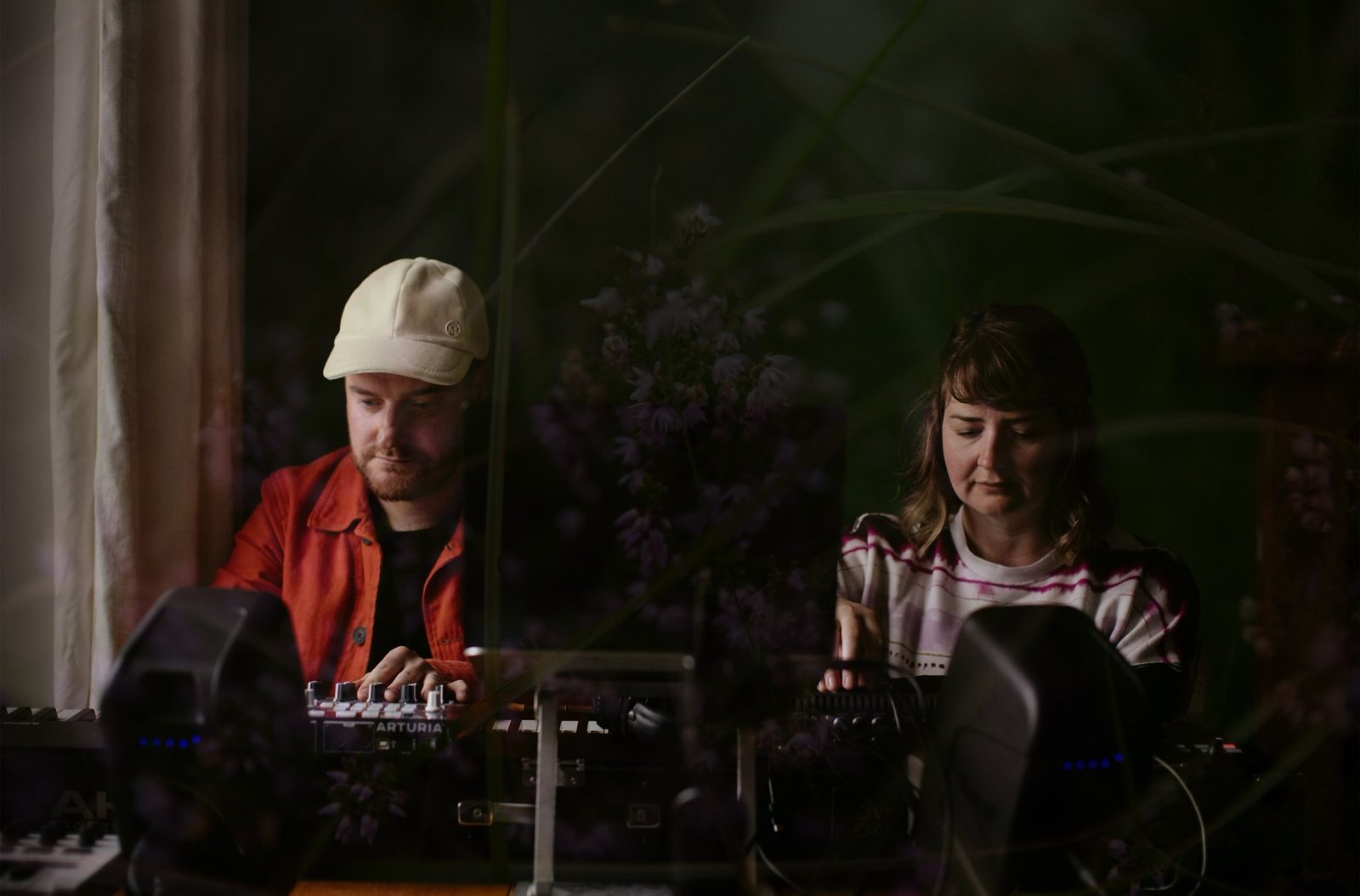
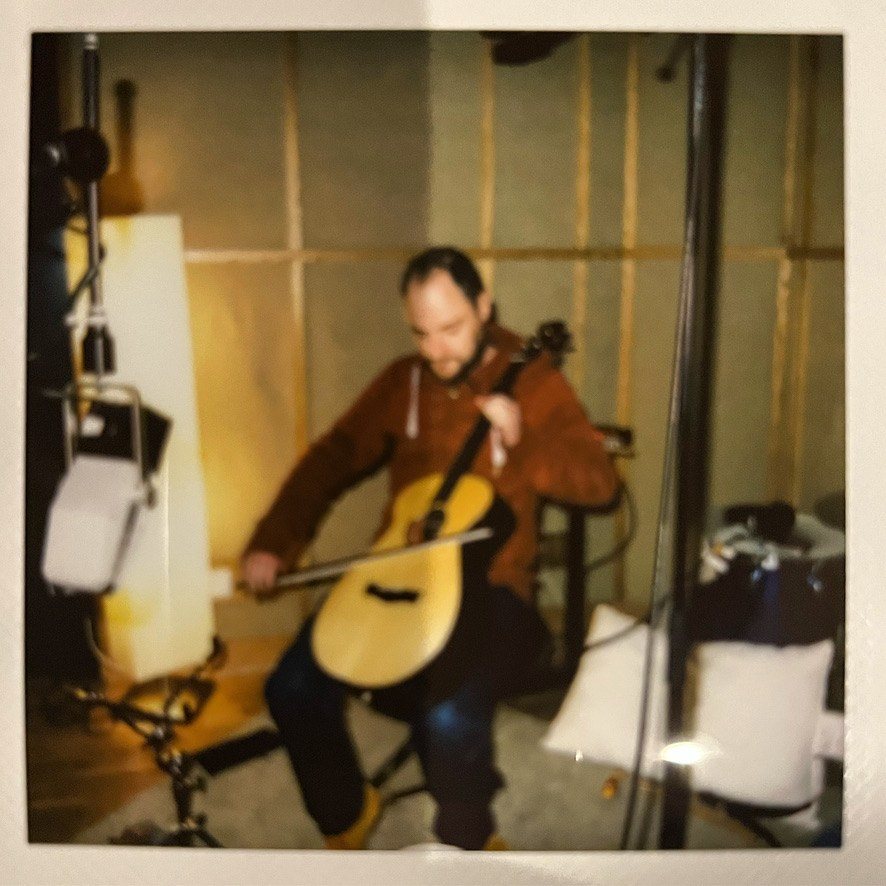
Photograph: Beth Chalmers
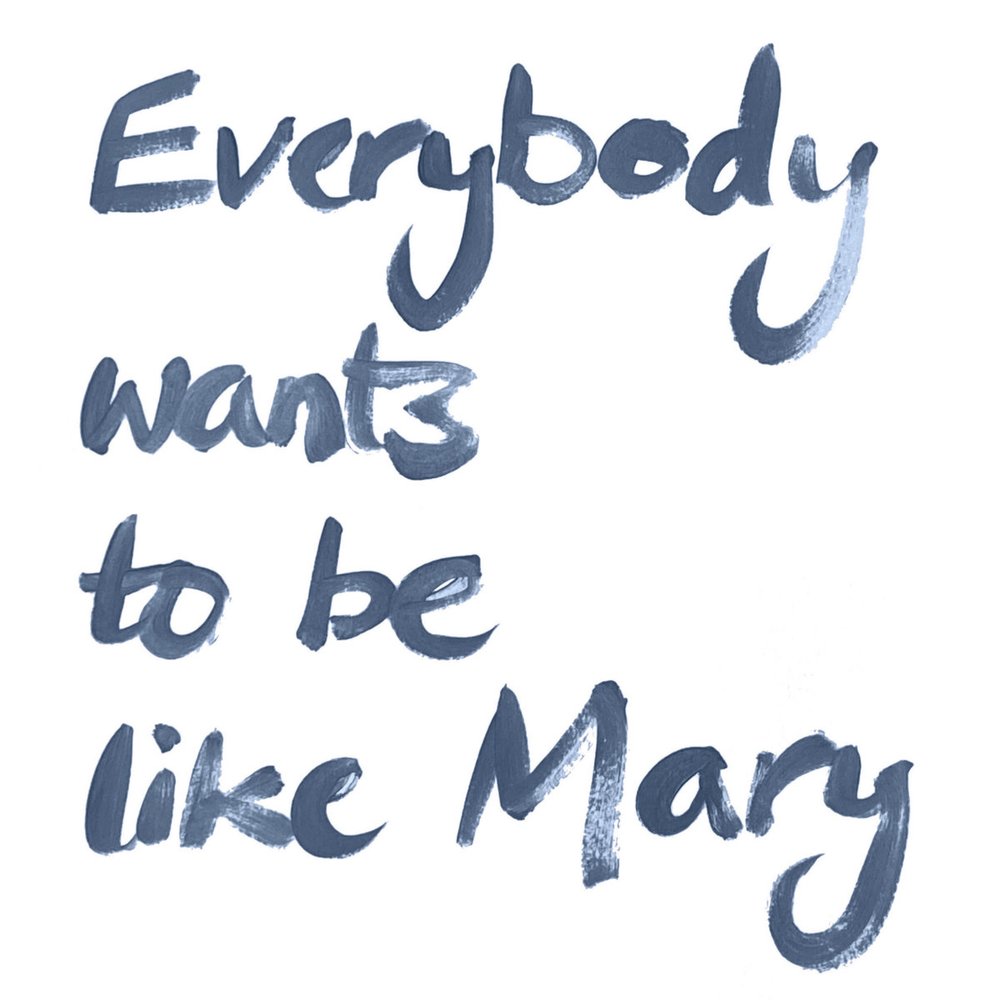
The back of the sleeve
- A.D.A.M
- Mairearad Green, smallpipes, Highland pipes, piano and vocals · Mike Vass, fiddle, synthesiser, samples, programming and sound design
- Produced
- Mairearad Green, Mike Vass and Iain Hutchison
- Recorded and mixed
- Iain Hutchison, GloWorm Recording; additional recording by Mike Vass at Leckmelm and Ullapool
- Mastered
- Peter Beckmann, TechnologyWorks
- Cover
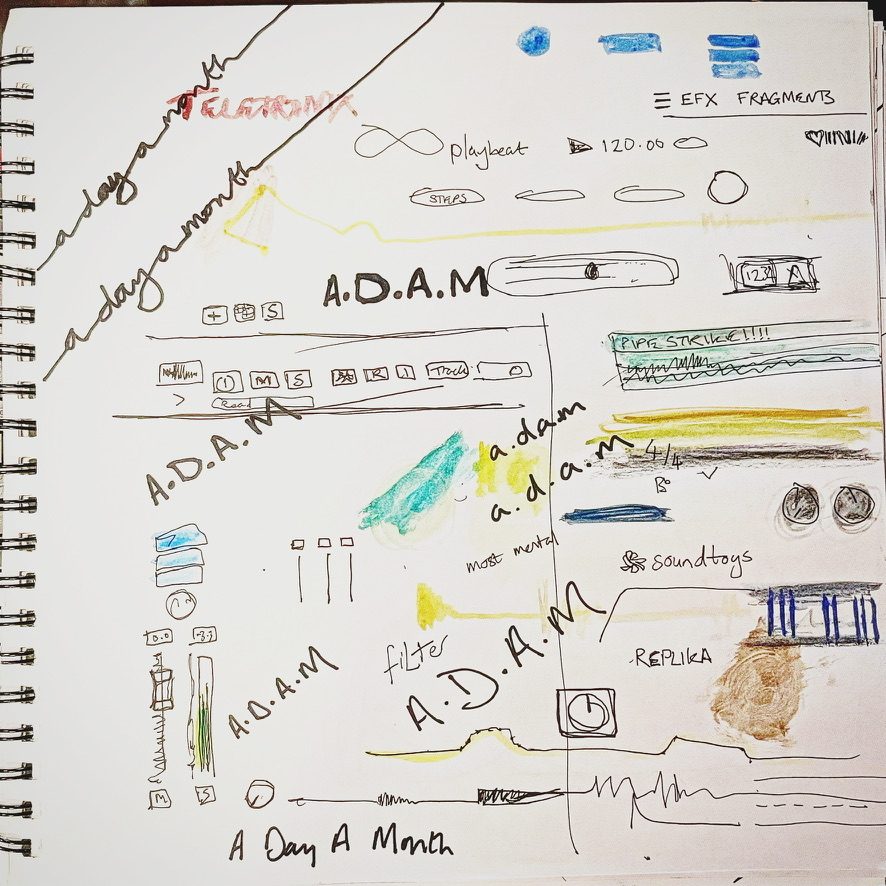
- Mairearad Green
- Catalogue
- Unroofed UR009LP, double LP, 23 August 2024
People
Mairearad GreenIain HutchisonPeter BeckmannMary MorrisonAnna MacDougallMargaret StewartBeth ChalmersAilis Sutherland
- A.D.A.M
- Mairearad Green, smallpipes, Highland pipes, piano and vocals · Mike Vass, fiddle, synthesiser, samples, programming and sound design
- Produced
- Mairearad Green, Mike Vass and Iain Hutchison
- Recorded and mixed
- Iain Hutchison, GloWorm Recording; additional recording by Mike Vass at Leckmelm and Ullapool
- Mastered
- Peter Beckmann, TechnologyWorks
- Cover
- Mairearad Green
- Catalogue
- Unroofed UR009LP, double LP, 23 August 2024
The codes
A.D.A.M is Mairearad Green and Mike Vass, who have written together under the name for more than a decade; it stands for “a day a month”, the rule they set themselves. Every title on the record is the first three letters of a Gaelic song. Open one below and the song appears. All the melodies come from the Gaelic song tradition; several were found on Tobar an Dualchais, the archive of the School of Scottish Studies.
The aims
They drew on the instrumental electronic producers they admired, Jon Hopkins, Dominik Eulberg, Kiasmos and Max Cooper, and set out, in Vass’s words, “to cut no corners … abandon all reason and deeply explore the possibilities of blending the bagpipe with synthesisers, found sounds, and drum machines”. Mairearad Green, who grew up on the Coigach peninsula and made the artwork as well as playing the pipes, said: “We feel like we finally cracked the code with this album.” On 2 February 2024, six months before the record came out, they played the music at Celtic Connections, at Drygate Brewery, on a double bill with John Mulhearn’s The Pipe Factory. For this live debut they were joined by Ailis Sutherland on bagpipes. The duo played it at Ceòl Cholasa on Colonsay on 20 September 2024.
The listening party
These notes are Vass’s own, from the Bandcamp listening party of 23 August 2024. They knew they had struck gold when they found Mary Morrison on Tobar an Dualchais: MAR became the single that was never released as one, and the track that connects most with a live audience, and Mary Morrison gave the album its name. ’S_ is “the centre piece of the album”, learned from Anna MacDougall of Barra, and the only track with fiddle on it. DHE was the first track to convince them the album could be made; Mairearad tuned the chanter with electrician’s tape on the C sharp to flatten it. At the end of LAT the whole swirling mix is summed to mono at the drop to solo piano, “as if in someone’s cosy living room”. The drums on UAM were home-made samples cut up and processed “multiple times with loads of different chains of effects”, after Aphex Twin.
The songs
Press a code to open its song
A rowing song, found in James MacDonald’s version on Tobar an Dualchais.
Mary Morrison of Barra, who gives the album its name.
Found while researching a Blas festival commission in 2020. One chord for a whole cycle of the melody, the bass line changing until it resolves.
I can’t get any sleep. Small pipes open it, then Mairearad’s minimal piano.
The centre piece. Learned from Anna MacDougall of Barra.
A storm blew up over Rona. Summed to mono at the drop.
The first track that worked. Electrician’s tape on the chanter.
The Ness rowing song, from Joan Mackenzie’s recording; Margaret Stewart’s singing inspired it.
The Cave of Gold, learned from Margaret Stewart’s Fhuair mi pòg.
Tracks
Photographs
Cuttings
A line from each piece. Where the full piece is online, it is linked.
Bright Young Folk
“An appropriate title from the latest composers to mine the rich vein of Scottish trad-electronica and come up clutching treasure.”
Irish Music Magazine
…the music itself is intriguing, oddly compelling, raw and mysterious simultaneously.”
Folker
“Das Ganze könnte man jetzt als eine weitere tanzbare Hybridmischung à la Niteworks abtun, aber damit würde man dem Projekt nicht gerecht.”
In English “You could write the whole thing off as just another danceable hybrid in the vein of Niteworks, but that would not do the project justice.”
FolkWaves
“The melodies were then set for bagpipes and arranged with innovative electronic production from Mike Vass, one of the most creative forces within the Scottish music scene.”
Connections
- A.D.A.M the duo, with photographs
- The Sound of Sleat A.D.A.M’s next
- A Day A Month Mairearad and Mike’s first duo record